
Screens & Shading
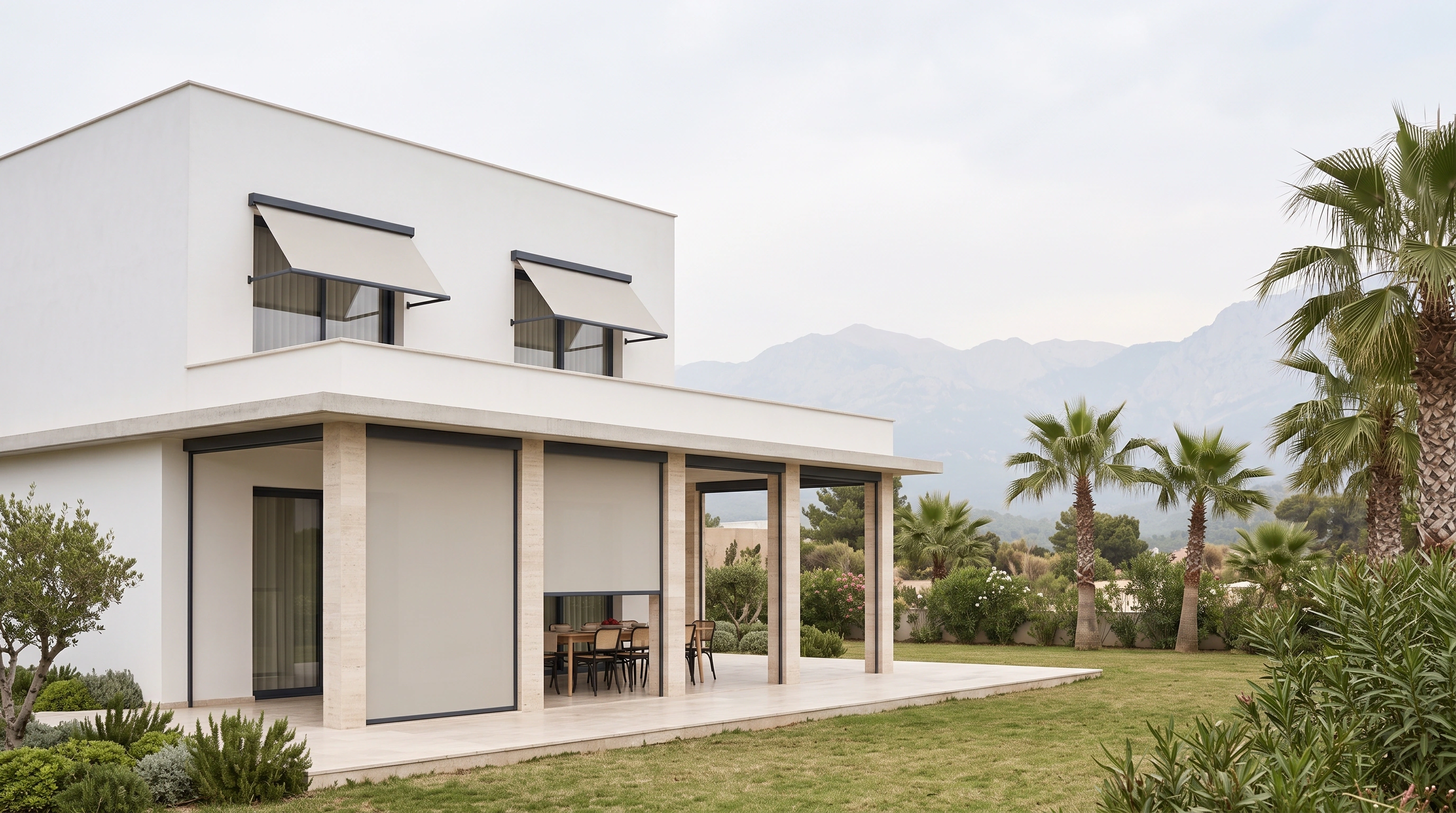
Block the sun outside the glass or inside it, as much as you need. Zip screens and drop-arm awnings for terraces and façades; pleated and Venetian blinds for windows and glass balconies.
Zip screen, pleated, Venetian
blind or awning?
Explore the differences between the models.
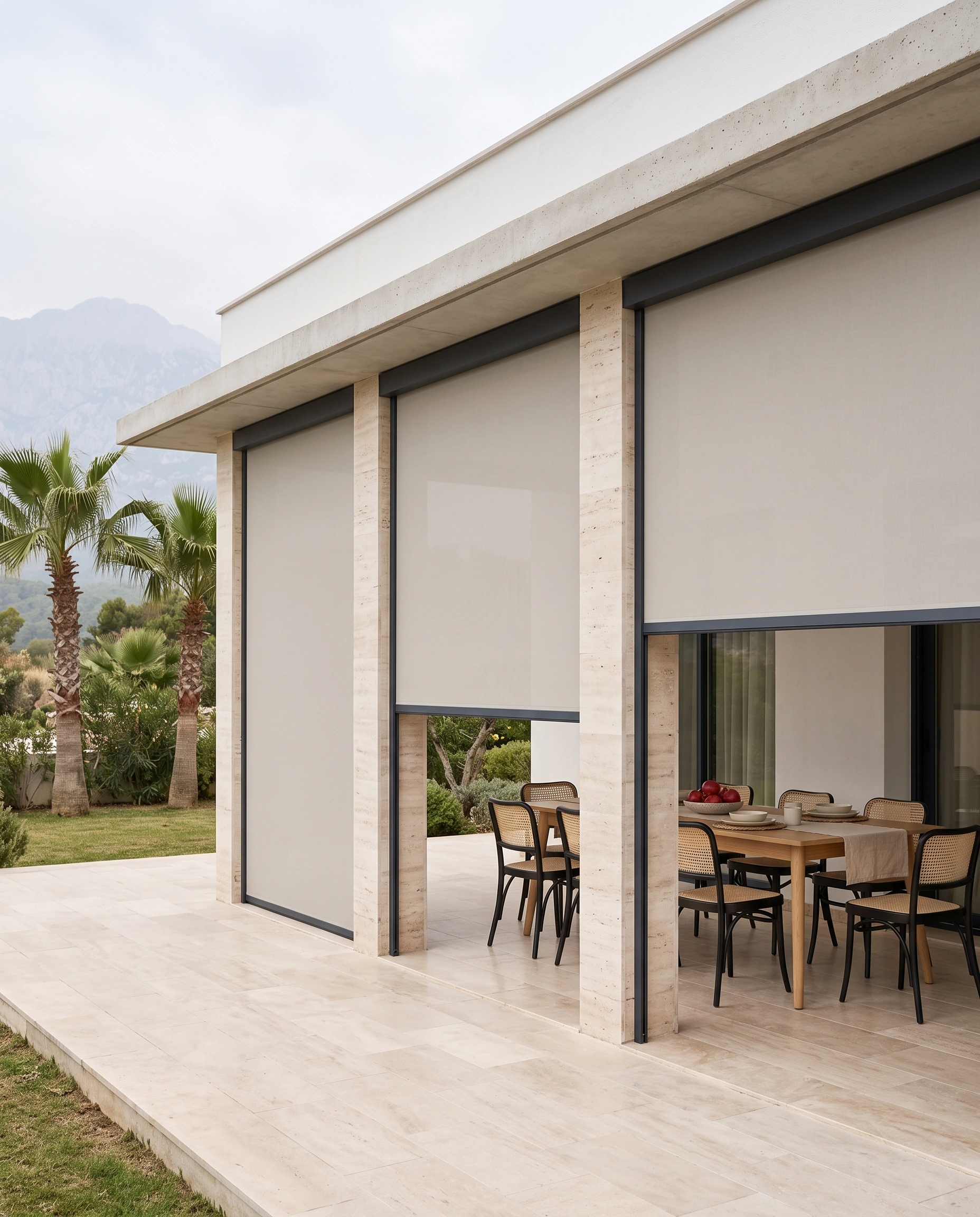
Zip Screen
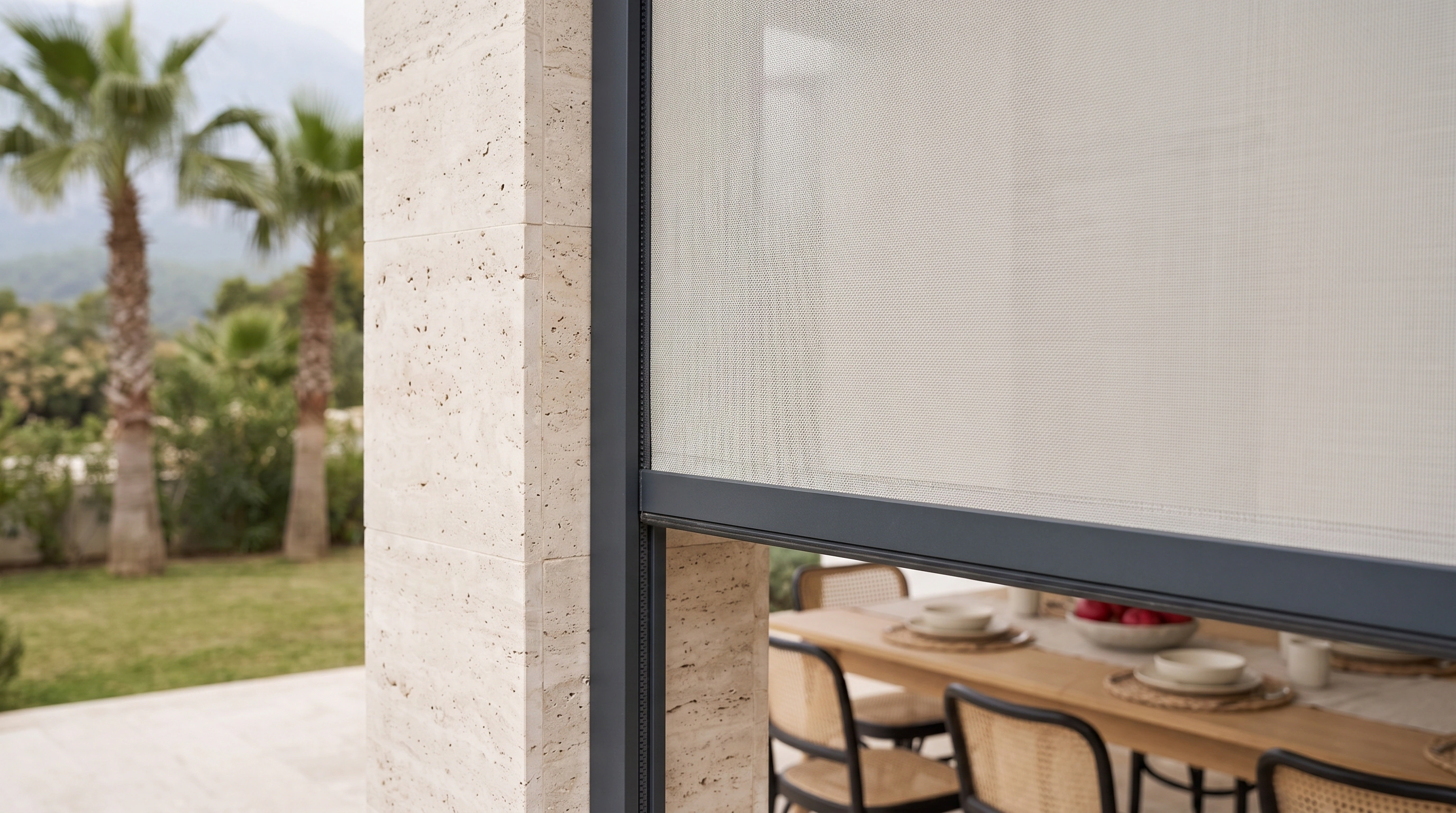
Where it is fittedOutside, in front of the opening
How it movesFabric descends in side rails
Where it stops the sunBefore the glass
Light controlBy how far the screen is lowered
Remote controlYes
Manual operationNo; motorised
Wind resistanceHigh; fabric locked in the rails
Keeps insects outLargely, when closed
View
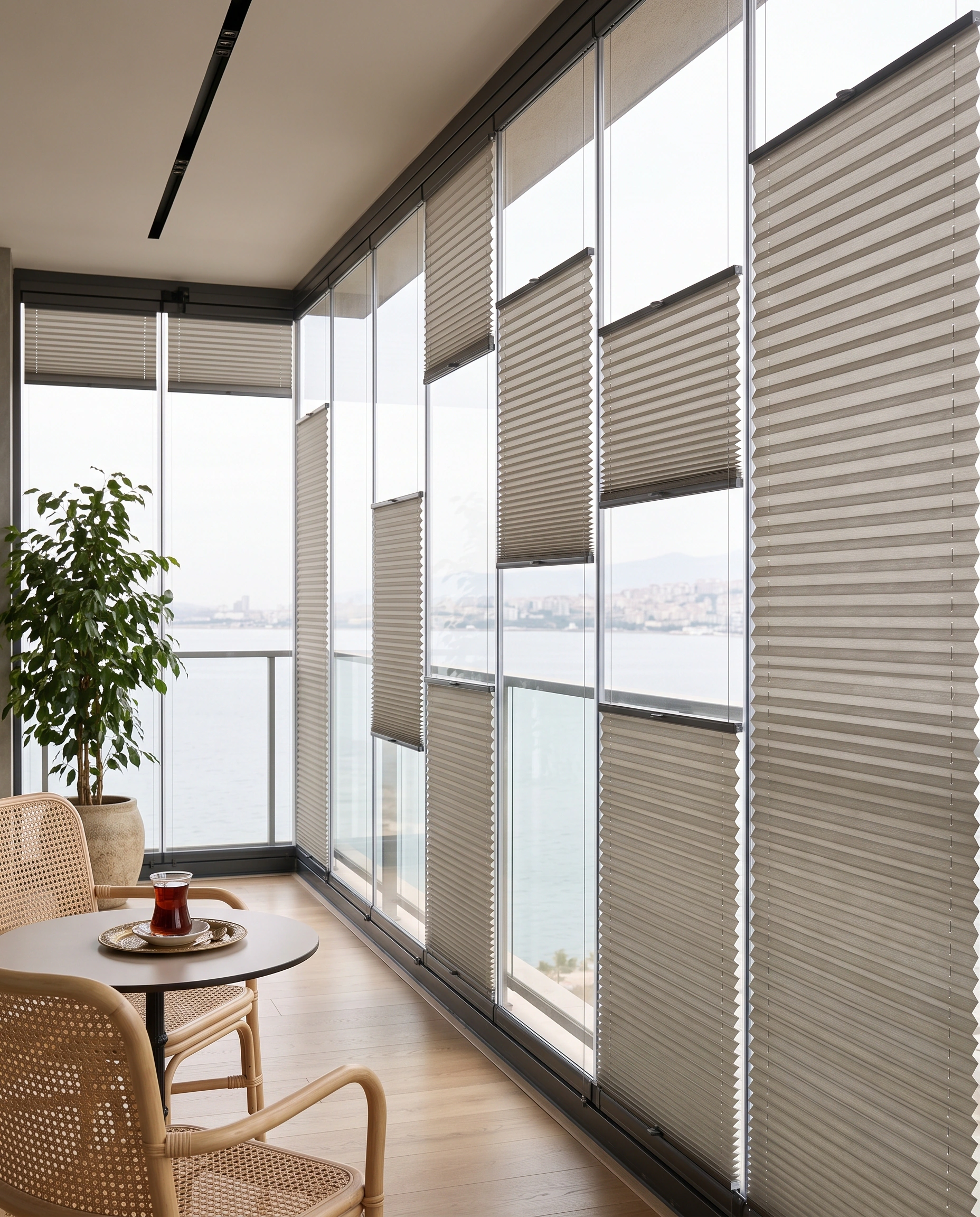
Pleated Blind
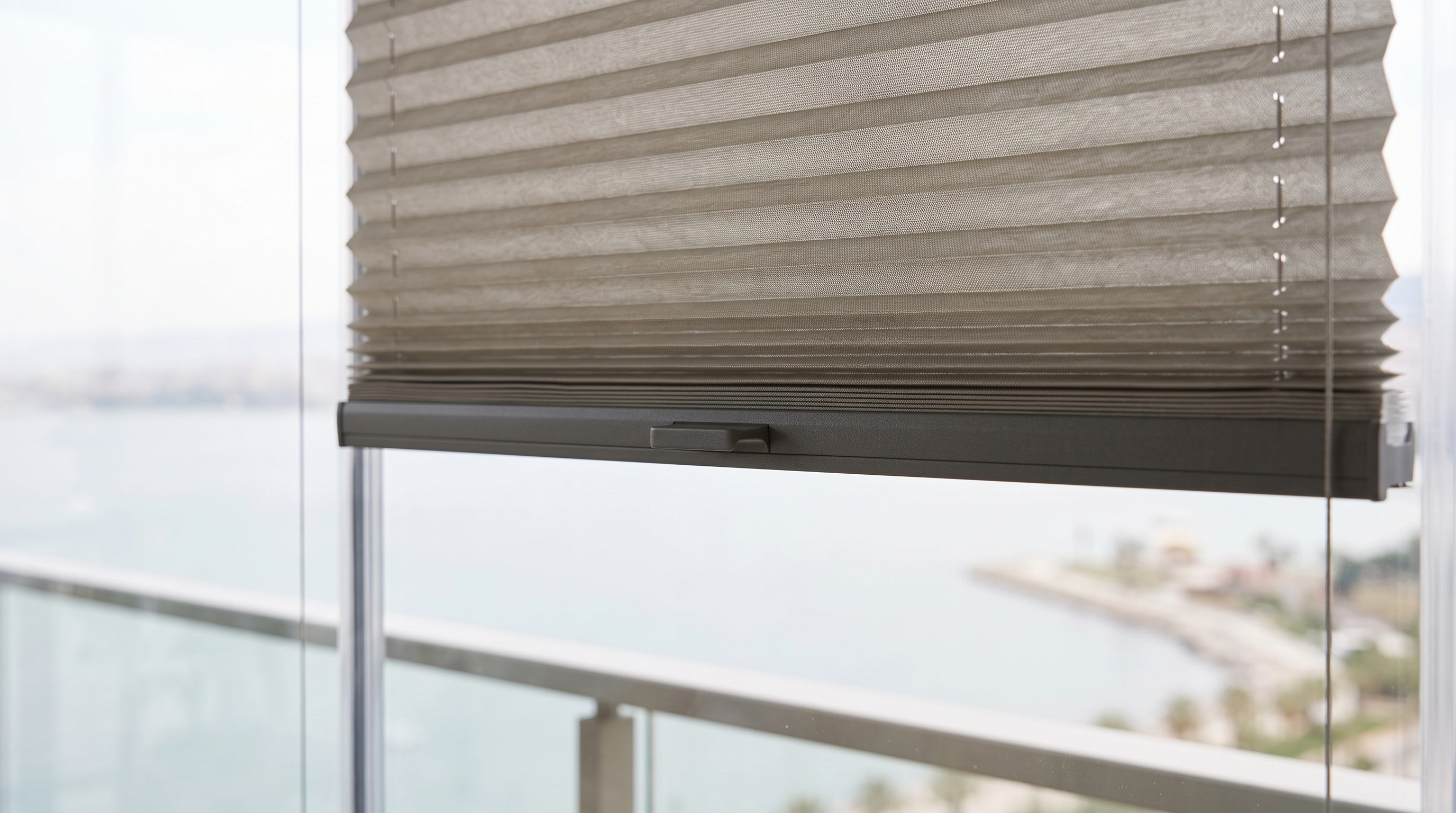
Where it is fittedInside, on the glass panel
How it movesFabric folds up
Where it stops the sunBehind the glass
Light controlStops at any height
Remote controlNo; operated by hand
Manual operationPulled by the rail
Wind resistanceIndoor product
Keeps insects outNo
View
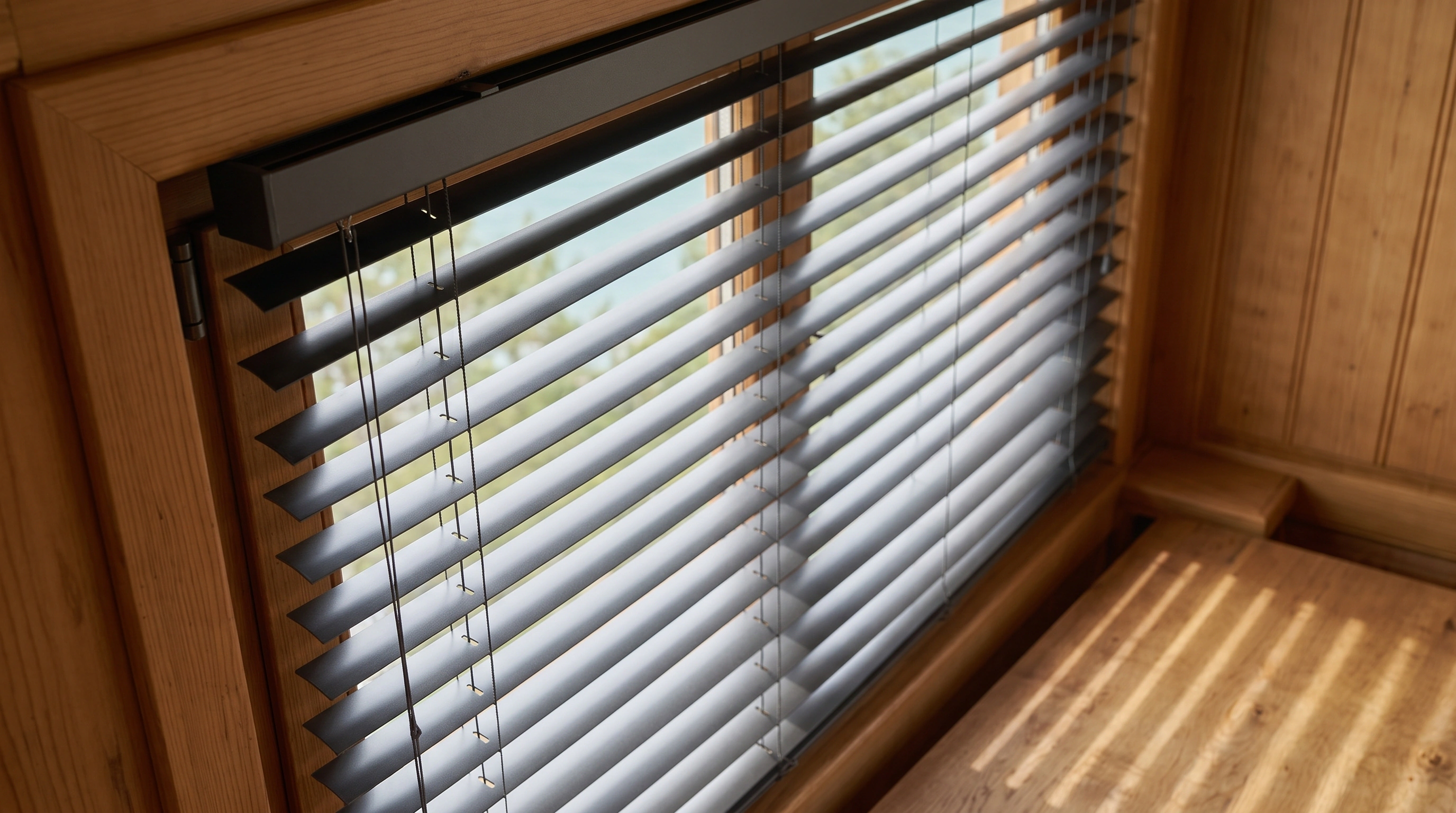
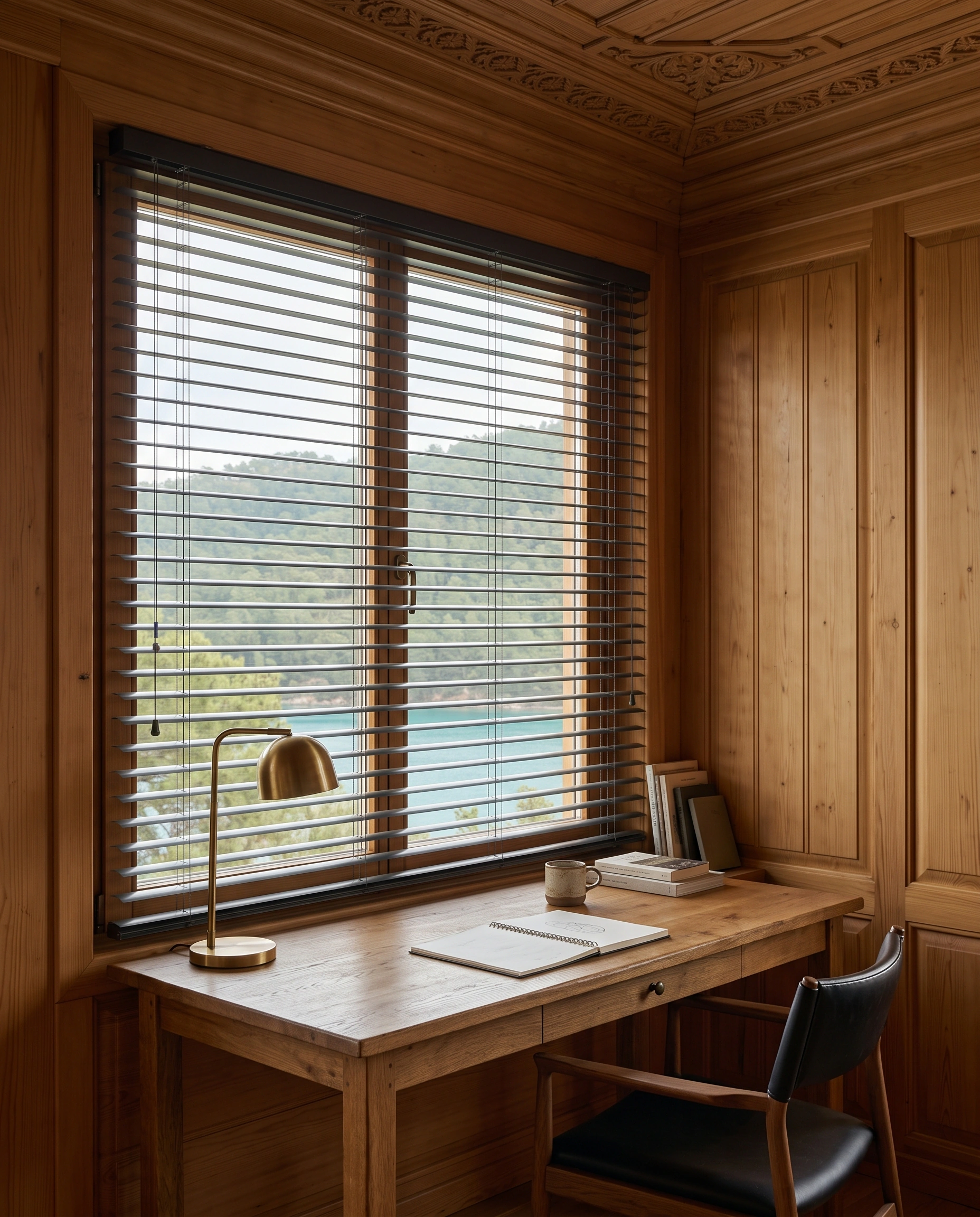
Venetian Blind
Where it is fittedInside, at the window
How it movesSlats tilt and stack
Where it stops the sunBehind the glass
Light controlBy slat angle
Remote controlNo; operated by hand
Manual operationCord to raise, wand to tilt
Wind resistanceIndoor product
Keeps insects outNo
View
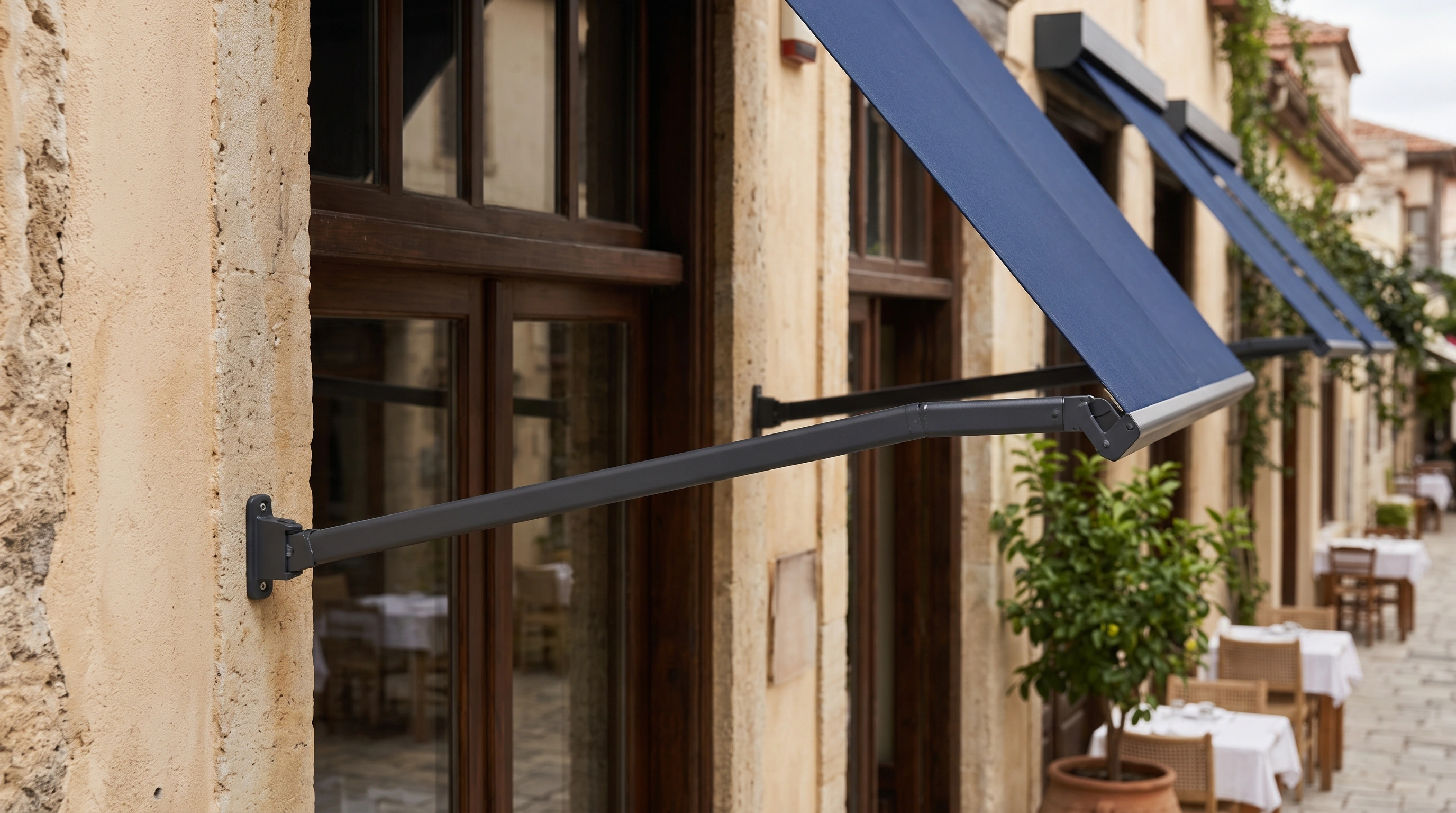
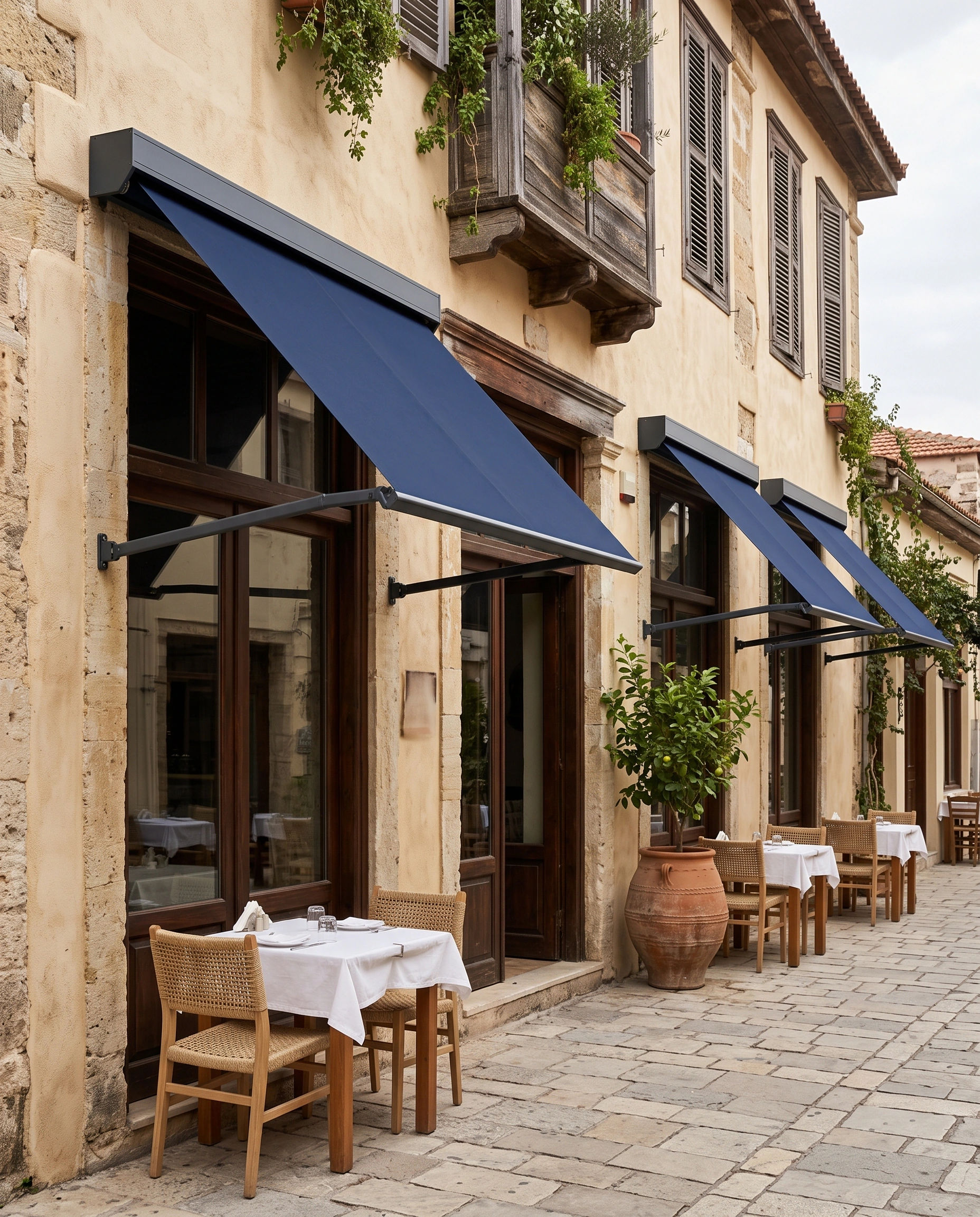
Drop-arm Awning
Where it is fittedOutside, on the façade
How it movesArms open the fabric at an angle
Where it stops the sunBefore the glass
Light controlBy arm angle
Remote controlWith motor option
Manual operationPer project, at the site survey
Wind resistanceRetract in strong wind
Keeps insects outNo
View
Exact measurements and specifications are finalised after the site survey.
Accessories Catalogue · PDFStop the sun in front of the glass, or behind it?
Most of the choice comes down to this. An exterior system deals with heat; an interior one deals with light and privacy.
Sunlight is stopped before it reaches the glass, so the room heats up less. A zip screen closes the whole opening; a drop-arm awning sits at an angle in front of the window.
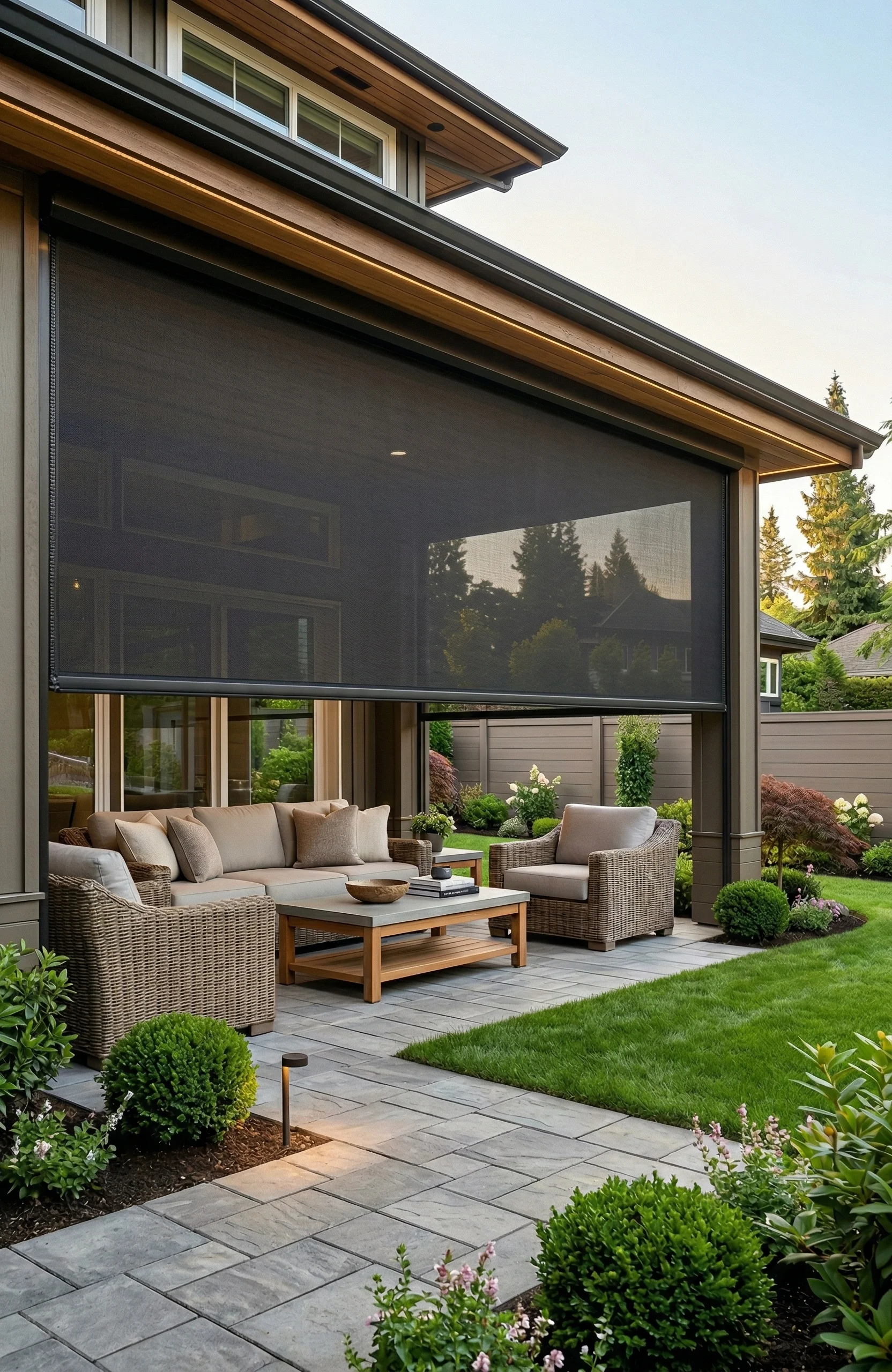
Heat gain depends on fabric colour and openness; the system is chosen together during the site visit.
Where are they 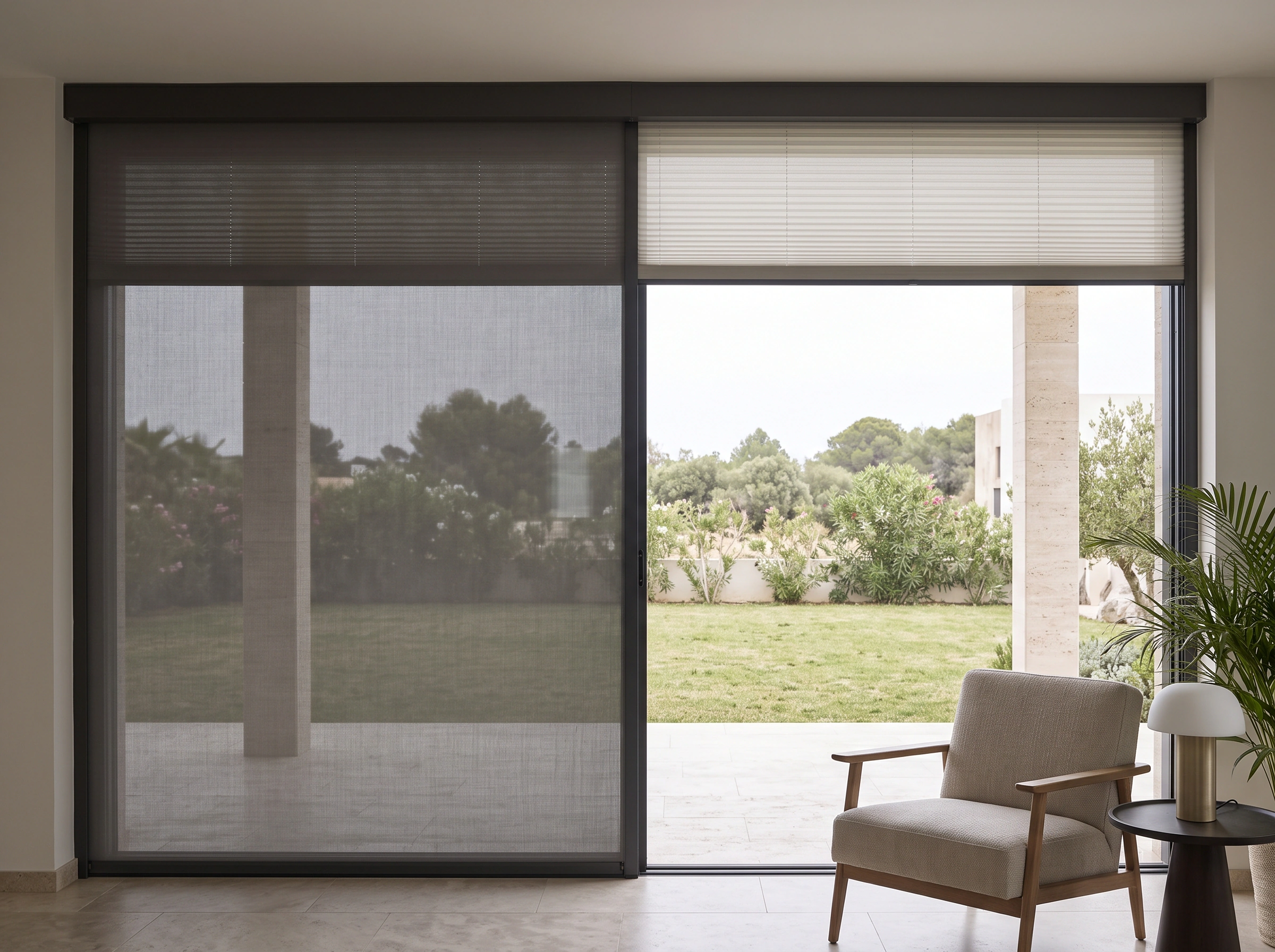 used?
Shading is not only for windows. It keeps terraces, glass balconies and shop fronts usable through the hottest hours of the day.
Glass and aluminium since 1940.
Our glass and architectural factories are in Adana; one dedicated partner from survey to installation.
2-year system warranty
Production in Adana, showroom in France.
Glass Factory and Architectural Factory in Seyhan, Adana; showroom and warehouse in Bondoufle.
Frequently asked questions about blinds and shading systems
Start with where you want to stop the sun. To close a terrace, pergola or large opening from the outside, choose a zip screen; for angled shade over windows and shop fronts, a drop-arm awning. To adjust light and privacy indoors, pleated blinds suit glass balconies and windows, and Venetian blinds suit offices and workspaces.
External systems usually reduce heat gain more, because they stop the sun before it reaches the glass. Internal blinds meet the sunlight after it has passed through the glass; they are effective for controlling light, glare and privacy. On hot elevations the two can be combined.
The edges of the fabric are locked into a zipped channel inside the side rails, so the screen does not flap and keeps its shape in the wind. Its resistance is not unlimited: in Europe it is stated as a wind class under EN 13561, and the class drops as the screen gets larger. Retract the screen in strong wind. Rain and wind sensor options are assessed per project at the site survey. If the fabric gets wet, let it dry lowered before rolling it up; this extends its life.
Zip screens mostly use micro-perforated screen fabric, defined by its openness factor; common values range from 1% to 10%. By day it is brighter outside, so you see the view from inside while people outside cannot see in. At night, with the lights on indoors, this reverses: at 10% openness the interior can be made out, at 3% and 1% it stays largely hidden. For full darkness, choose a blackout fabric.
The system chosen, overall size, fabric or slat type, colour, motorised or manual operation and the mounting surface all affect the price. The final quote is based on measurements taken on site.
Just tell us the type of space, approximate dimensions and the system you have in mind. Our team will book an appointment to measure on site, and the quote is prepared from those measurements. On glass balconies we measure with the movement of the panels in mind.
For pleated and Venetian blinds, a soft brush or a dry microfibre cloth is usually enough; wipe Venetian slats closed, first tilted one way, then the other. Zip screen and awning fabric can be wiped while lowered with a soft cloth and lukewarm soapy water; keep the side rails clear of leaves and dust. Do not machine-wash pleated fabric, and do not soak blackout fabrics.
Alterations to the exterior of an apartment building may require approval from building management or co-owners; we review this together at the site survey.
SURVEY & QUOTE
Request an On-Site Survey and Quote
Let us choose the right system for your project together; schedule an on-site survey and measurement.